F1 Is The World’s Fastest Boy Group
F1’s shift towards spectacle and extravaganza isn’t a phase – it's a new identity.
As Will.i.am ‘s voice filled the air over the loud speakers at the Las Vegas strip, drivers for the Formula One teams rose from beneath the stand as if stepping into a K-Pop comeback stage. Spotlights followed them as they stood on platforms, introduced like performers instead of athletes.
The adoption of Korean marketing aesthetics is widespread across many different trades. The fan engagement strategies where performers turn into highly curated public figures with global charm, often result in a fan culture that blurs the lines between entertainment and parasocial relationships.
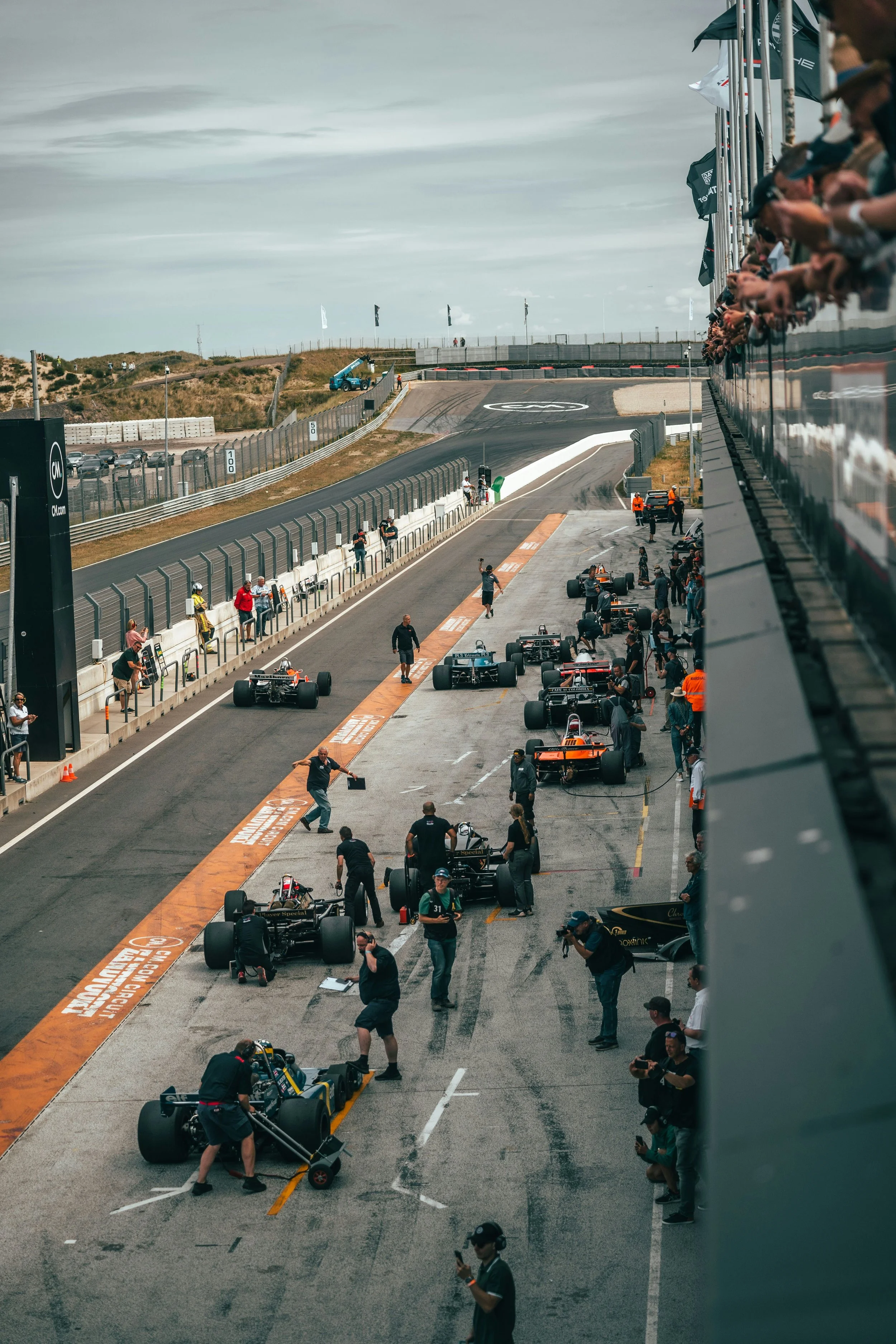
The 2023 Vegas Grand Prix wasn’t the first sign of a shift in F1’s marketing strategy. In 2016, U.S.-based Liberty Media acquired Formula One for US$8 billion, marking the switch from a Eurocentric sport. The corporation aimed to modernize the sport’s image and target a more diverse audience.
By March 2019, Netflix premiered the first season of Drive to Survive, a documentary that exposed the inner workings of F1. Beyond providing a new lens into the sport, the series gave fans characters to root for. Their interests, rivalries and personal challenges became the fuel for the kind of parasocial fandom that is so common in K-pop.
Drivers’ friendships, relationships, fashion style and social media activity are scrutinized with a new intensity. Athletes are not just athletes– they are fashion icons with carefully crafted digital personas. Ferraris’ Lewis Hamilton is a fashion icon at the MET gala. McLaren's Lando Norris is a Twitch streamer. Williams’ Carlos Sainz is the newest L’Oreal ambassador.
Not unlike members in a K-pop band, F1 drivers have very differentiated roles and represent a brand.
But the trade-off is worth examining. There are lessons to be learned from the darker side of K-pop fandoms.
Online discourse surrounding the sport is no longer a mere technical discussion. There are biases and personality-based loyalties to each team. Fan cams, “ship edits”(like the compilations made of Charlos – the ship name for Carlos Sainz and Charles Leclerc) and drama compilations of driver radios and post-race interviews have become as common as traditional motorsport commentary.
The more toxic aspects of K-pop fandoms now infuse the popular motorsport. Harassment of drivers and rival fans have entered the picture.
Resembling a live concert, F1 races have turned into part-sports, part-entertainment show events. DJ booths, dramatic introductions and influencer-centered setups are expected at tracks like Miami and Las Vegas, with Miami going as far as including fake marinas around the paddock.
Collaborations between Mercedes and Ferrari with fashion houses have solidified the transition from F1 being a niche competition with a mostly European fan base to a global phenomenon. Francesco Ragazzi, founder of Italian streetwear Palm Angels, compared the races to “having a Super Bowl every weekend.”
McLaren launched a pastel line for their merch aimed at young women, a clear deviation from their iconic papaya orange.
Some argue the sport’s integrity is being buried under celebrity culture and TikTok trends. Entertainment-led events come at a higher cost, VIP and influencer centered venues risk pricing out real motorsport fans.
This isn’t the first or only sport to see this kind of transformation. What K-pop has perfected – storytelling, aesthetic branding and emotionally invested fans – is now copied across industries. The way we experience sports and entertainment has fundamentally changed.
Red Bull driver Max Verstappen labeled the Vegas Grand Prix as “99 per cent show and 1 per cent sporting event.”
Still, this global rebrand has made the sport more accessible, exciting and culturally relevant. Fans who once felt alienated by F1’s technical gatekeeping now connect with the drivers and their sponsors. There’s no denying that Liberty Media’s strategy is working — even if not all longtime fans are along for the ride.