The stress of working in the food industry during a world pandemic
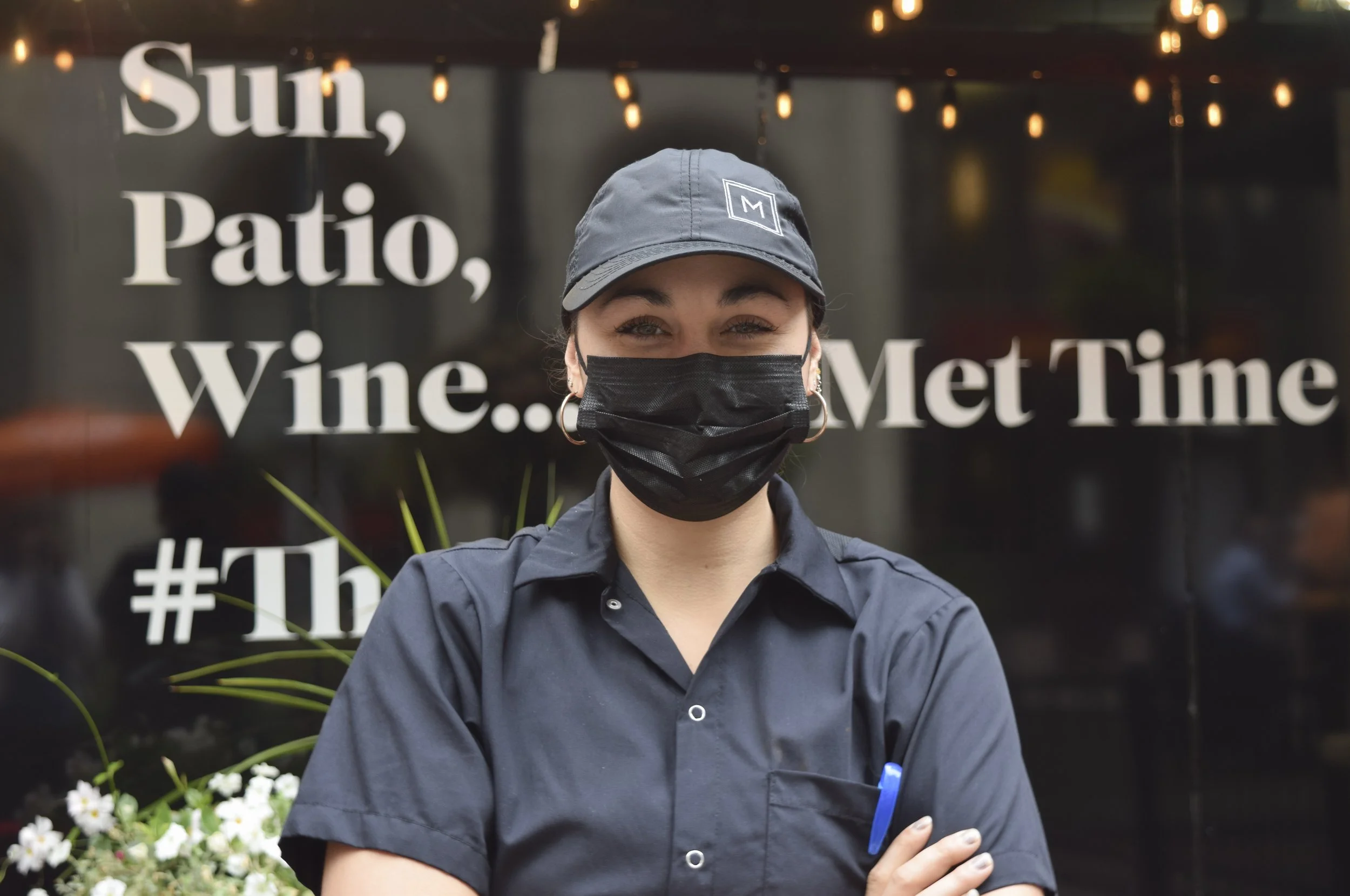
Executive Chef, Errin Massolin, stands outside of The Metropolitan Kitchen & Grill on Stephen Avenue in Calgary, Alta. June 17, 2020.
Anti-maskers, in-person aggression and elevated anxiety levels are some of the things servers must deal with while trying to uphold COVID-19 safety measures.
Not only has this pandemic almost shut down the food industry completely, it also has presented new challenges for those who wish to keep their businesses open at this time.
“Social distancing, being at half capacity, people being scared to come in, keeping up with health standards...I know those are the biggest challenges. We’re trying to make a living here, its’s not easy,” said Errin Massolin, executive chef at The Metropolitan on Stephen Avenue.
Many popular places where Calgarians gather have been facing similar difficulties.
Dealing with anti-maskers, making staff feel safe and keeping customers happy is not always as easy as it may seem.
Federico Sanchez, GM at Hudson's Event center said it’s common for anti-maskers to openly disregard COVID-19 measures, especially after a couple drinks.
“We have had a couple episodes where people just did not want to follow the rules, guests want to have fun and they find the rules unnecessary,” said Sanchez.
It seems that many establishments have been facing the same issues and share the feeling of uncertainty that comes with dealing with these circumstances.
“Oftentimes, people just refuse to wear a mask, and there’s bylaws in place but we can’t enforce that bylaw. So, you can only ask someone to wear a mask and if they say no, then it’s no and it can make other people in the restaurant feel uncomfortable,” said Tatianna Peters, server at Lounge 18.
At the end of the day people in the industry feel like there is not much they can do as they are not allowed to enforce these measures.
Sanchez said the main issue is how to approach these situations and keep them from escalating while trying to keep everyone safe.
“We need to make sure everyone is feeling comfortable when they come here. This type of situations, what they do is push people away. It’s an extremely sensitive topic to manage,” said Sanchez.
“I mean these bylaws don’t really affect guests a whole lor, maybe the maximum of six people per table is probably the biggest impact. They are annoyed. There’s a lot of people that refuse to wear masks and either other people are going to shame them into putting it on or they just don’t care, and there’s nothing we can do,” said Massolin.
Servers are the first ones in line to feel the pressure when it comes to handling this type of issue, being the ones in direct contact with customers, they are the first ones to hear and deal with the complaints.
“Service is completely different, servers are held to a higher standard, which already makes it more difficult, they’re putting themselves in danger as well, that’s the biggest thing,” said Massolin.
“The only thing you can really do in that situation when someone says COVID doesn’t exist is just trying to educate them. I don’t like to tell them what they can and can’t believe, but I do make them aware that it is something that’s affecting the world and there’s nothing that we can do to change it other than follow the rules,” said Peters.
However, restaurant staff are very aware that it exists, and although it makes them nervous at times, it has mostly made them realize the importance of that being strict with these measures even if it upsets skeptics.
Sanchez said that after having to deal with two COVID-19 cases coming from the management team, the Hudson’s event center and The Guild staff members were put in though spot for a couple of weeks with staff not wanting to come to work.
“We understood, it makes sense. Everyone wants to be safe and stay as far as possible from whatever opportunity of catching it. So, we managed. We were able to cover what we needed to cover, and we have AHS (Alberta Health Services) come in every two days, checking that the rules and protocols and procedures are being followed properly. I think that’s the best we can do for now,” said Sanchez.
Peters said management’s efforts have been key in making them feel safe while at work.
“Management has been really great through everything. There is always an open communication with everyone, we are always encouraged to get tested and if anyone ever has any symptoms or they feel sick at all, they do not work. They’re doing their best to keep everybody safe,” she said.